

Termite Treatment in Lehi, UT
Lehi homeowners face seasonal pest pressure in late summer and fall as insects and rodents seek shelter before winter arrives, and termites can cause costly structural damage if left untreated. Spence Pest Control connects you with local pest control providers in Lehi who can assess termite activity and recommend appropriate treatment to protect your home. Early detection and professional termite treatment help prevent the progression of an infestation and preserve your property's integrity.
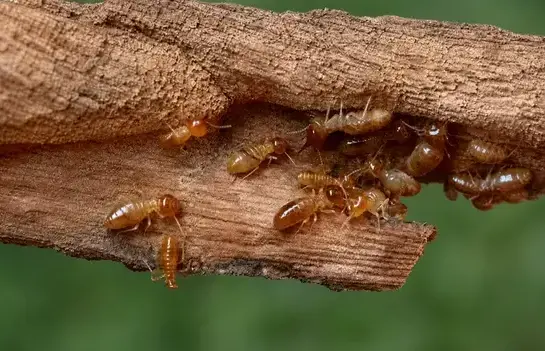
When do termites swarm in Lehi, UT?
Seasonal advice is usually written for the whole country. These are the published figures for the species, placed next to the measured climate for this city specifically.
“Native subterranean termites begin swarming in February/March, swarm during the day, and are not attracted to lights.” UGA Extension
“Formosan termites (1) swarm at night; (2) swarm in late May and/or early June (in Georgia), and (3) swarmers are attracted to light.” UGA Extension
“In Pennsylvania, swarms of winged termites usually emerge between February and June.” Penn State Extension
The behavior is the part that travels: a swarm in daylight that ignores a porch light is a native subterranean termite, while a swarm after dark drawn to the light is Formosan. The months do not travel — the same native species begins in February or March in Georgia but can emerge any time from February to June in Pennsylvania, so the dates below matter more than either range.
In Lehi the average last spring freeze falls on April 29, and the frost-free stretch runs to October 22 — about 174 days.Source: NOAA 1991-2020 Climate Normals, COTTONWOOD WEIR, UT US station (8.2 mi from Lehi)

Professional Termite Treatment Services in Lehi
Homeowners throughout Lehi face seasonal pest pressures that intensify as temperatures drop heading into fall and winter. During these months, insects and rodents—including box elder bugs, earwigs, odorous house ants, and black widow spiders—actively seek shelter and warmth inside homes. While many of these pests are nuisances, termites represent a more serious threat to your property's structural integrity. These wood-destroying insects work quietly and persistently, often causing damage before signs become visible. Early detection and swift treatment are critical to protecting your home's foundation and wooden elements from costly, long-term harm.
Spence Pest Control connects Lehi property owners with independent local pest control providers who specialize in comprehensive termite treatment. The providers in our network conduct thorough inspections to identify active infestations, determine entry points, and assess the extent of any damage. They then develop and implement a targeted treatment plan tailored to your property's specific situation, followed by ongoing monitoring to help prevent future problems. This focused, local approach means you're working with providers who understand the regional pest landscape and can respond quickly to protect your home.
Why Lehi Homeowners Choose Spence for Termite Treatment
Termite Treatment Expertise
The independent providers Spence connects you with understand termite behavior, colony structure, and treatment approaches specific to Utah's climate. Effective termite treatment requires more than surface work—it demands knowledge of how these pests operate year-round.
Fast Termite Treatment Response
Termite infestations demand urgent attention. Spence connects Lehi property owners directly with local providers who can schedule termite treatment quickly, minimizing the time colonies spend damaging wood and structural elements beneath your home.
Thorough Termite Treatment Plans
Termite treatment isn't one-size-fits-all. Spence's connected providers conduct detailed inspections, communicate findings clearly, and develop treatment strategies tailored to your property's specific termite risk and infestation extent.
Year-Round Termite Vigilance
Lehi's seasonal shifts bring increased pest activity as fall and winter approach. Proactive termite treatment before peak pressure months helps protect your home when these wood-destroying insects are most active and seeking shelter indoors.
How Our Termite Treatment Works
Schedule Your Termite Treatment Visit
Contact Spence Pest Control to arrange a termite inspection at your Lehi property. A local termite treatment provider will visit to examine your home for signs of active termite activity and damage.
Termite Assessment & Treatment Plan
The provider inspects your home's interior and exterior for termite colonies, entry points, and structural damage. Based on findings, they'll recommend a termite treatment strategy tailored to eliminate the infestation and protect your property from future activity.
Complete Termite Treatment & Follow-Up
The local provider performs the termite treatment using an appropriate method for your situation, then schedules follow-up inspections to monitor for continued termite activity. Regular monitoring helps ensure the infestation is fully resolved.
Ready to get rid of termites in Lehi? A local provider can get started fast.
Call (801) 806-0633Termite Treatment Serving Lehi and Surrounding Communities
Lehi's mix of established neighborhoods and newer residential developments creates varying conditions for termite risk and treatment needs. Mature trees and older construction in well-developed areas can harbor wood-destroying insects, while newer subdivisions like Traverse Mountain and Westbury may face different exposure patterns as landscaping matures and structures settle. Understanding your property's age, construction style, and immediate surroundings helps local pest control providers tailor termite inspections and treatment plans to address your specific situation.
Fall and late summer bring peak pest pressure across Lehi as insects seek shelter before winter arrives. This seasonal surge includes not only termites but also earwigs, box elder bugs, and other wood-adjacent pests that can signal underlying vulnerabilities in your home's exterior. Early termite treatment during these high-activity months can prevent infestations from taking hold, making it essential to connect with a local provider who understands Lehi's seasonal patterns and can respond quickly to signs of termite activity on your property.
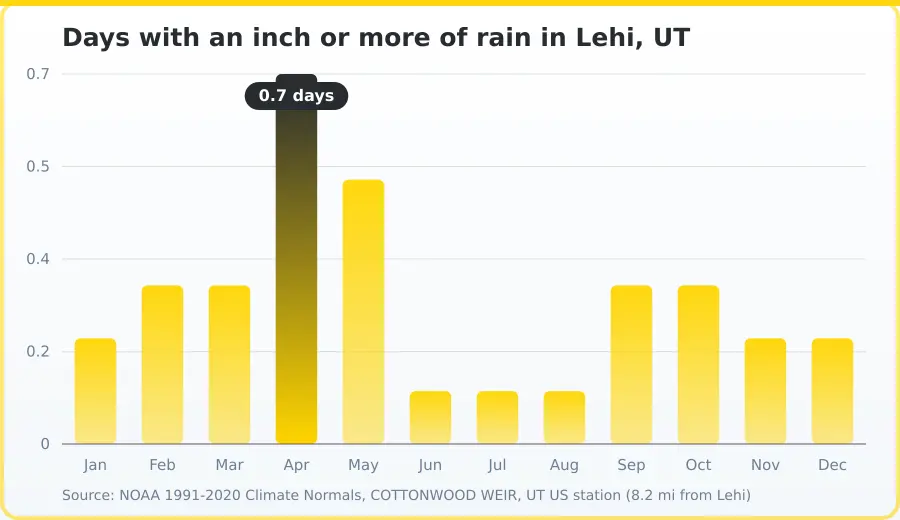
| Period | Days with an inch or more of rain (days) |
|---|---|
| Jan | 0.2 |
| Feb | 0.3 |
| Mar | 0.3 |
| Apr | 0.7 |
| May | 0.5 |
| Jun | 0.1 |
| Jul | 0.1 |
| Aug | 0.1 |
| Sep | 0.3 |
| Oct | 0.3 |
| Nov | 0.2 |
| Dec | 0.2 |
Source: NOAA 1991-2020 Climate Normals, COTTONWOOD WEIR, UT US station (8.2 mi from Lehi). Retrieved October 27, 2026.
Termite Treatment Across Lehi's Four Seasons
Spring: Emergence and Inspection
As temperatures warm after Lehi's last average freeze on April 29, termites become active and begin foraging for food sources in and around homes. Early spring is the ideal window for thorough inspections and treatment before colonies expand. Spence Pest Control connects homeowners with local providers who can assess foundation vulnerability and recommend treatment before peak activity begins.
Summer: Activity Peak
With daytime temperatures regularly reaching 90°F or higher—averaging 21.3 such days in July alone—termite colonies accelerate their feeding and reproductive cycles. Summer heat accelerates wood damage and makes active infestations more visible through mud tubes and structural signs. Local termite treatment specialists can identify and address established colonies during this high-visibility season before fall's shelter-seeking surge.
Fall: Pressure and Entry
As temperatures drop toward Lehi's average first freeze on October 22, termite colonies in areas like Traverse Mountain and Westbury intensify their search for protected shelter inside structures, increasing treatment urgency. Fall pest pressure peaks as termites seek warmth, making this the most critical season for preventive and active termite treatment. Spence Pest Control helps homeowners connect with providers who offer immediate assessment and targeted treatment before winter forces colonies deeper into foundations.
Winter: Deep Dormancy and Foundation Risk
With an average of 26.2 freezing nights in December, termite activity slows dramatically, but colonies retreat into protected zones within walls, crawl spaces, and deep wood—continuing silent damage beneath the surface. Winter's frozen ground makes external treatment difficult, but interior inspection and damage assessment remain valuable. Spence Pest Control helps homeowners locate local providers who can document winter damage and plan spring treatment strategies while conditions allow.
Related Services
Termite Treatment FAQs — Lehi, UT
Termite treatment typically includes a thorough inspection of your property to locate active infestations and damage, followed by targeted applications to eliminate colonies and prevent re-entry. The local pest control providers Spence connects you with will assess whether interior, exterior, or soil treatments are needed based on your home's specific situation and the extent of the infestation.
Spence Pest Control connects Lehi homeowners with independent local providers who understand the urgency of active termite problems. Once you submit a request, local providers in your area can typically respond quickly to schedule an inspection and discuss next steps for getting treatment underway.
Termite treatment pricing depends on several factors, including the size of your property, the severity of the infestation, the treatment method required, and whether preventive barriers are needed. Each independent provider sets their own pricing, which is why getting quotes from local professionals helps you understand options for your specific situation.
Your provider will give specific prep instructions, which often include clearing clutter from foundation areas, removing stored items from crawl spaces or affected zones, and ensuring access to infested areas. Some treatments may require temporary ventilation adjustments or temporary relocation during application—your provider will explain what's needed for your treatment plan.
After treatment, prevention focuses on removing conditions termites find attractive: reduce wood-to-soil contact, maintain gutters and drainage to keep soil dry, remove dead wood and stumps, and seal entry points. Many providers recommend periodic inspections to catch early signs. Addressing moisture and wood debris around your property significantly lowers reinfestation risk.
While termites remain active underground throughout the year in Utah's climate, infestations often become noticeable during warmer months when activity peaks. However, treatment can be performed any season—early detection and prompt action matter more than timing, so contact a provider as soon as you suspect termite activity.
Homeowner Safety Toolkit
Verify Your Lehi, UT Pest Control Company
Before you hire anyone, use these independent national resources to confirm credentials, standards, and track record.
AAPCO
The national association of state pesticide regulators. Use it to find your own state's licensing agency and confirm a company's applicator license is current.
Find Your State AgencyEPA
The federal government's own guide to choosing a pest control method and using pesticides safely around your home and family.
Pesticide Safety GuideNPMA
QualityPro is the pest control industry's own accreditation program, endorsed by the National Pest Management Association. Find and verify a company's accreditation before you hire.
Find a Certified ProDealing with termites in Lehi? Get fast, targeted treatment from a local provider.
Call (801) 806-0633Areas We Serve in Lehi, Utah
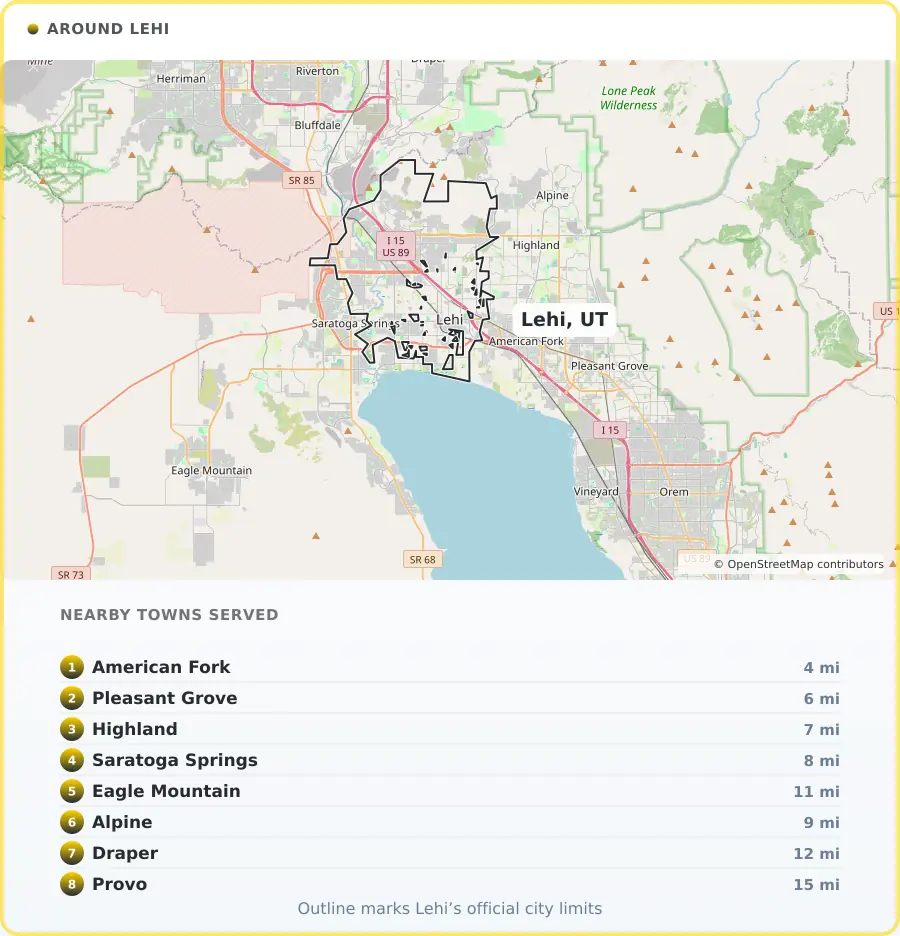
Lehi, UT is the centre of the service area, which extends to 8 surrounding towns. The map shows how far that reaches.
Lehi, UT Information
Lehi, UT sits at the heart of Silicon Slopes, Utah's fast-growing tech corridor, where companies like Adobe, Ancestry.com, and Xactware share the landscape with established names such as Micron Technology and Northrop Grumman. That momentum has reshaped a once-quiet farming town into one of the state's fastest-growing cities, with retail, healthcare, and construction all expanding to keep pace with new residents and new rooftops.
With roughly 86,000 people calling it home, Lehi still carries a strong community feel even as neighborhoods like Traverse Mountain and Holbrook Farms fill in around it. Families, young professionals, and longtime locals mix easily here, drawn by a blend of opportunity and small-town warmth that makes Lehi feel like it's building its future without losing its roots.

Photo: Hamilton Gardner, Public domain